The Unseen Friction Before the Appointment Even Begins
For practice managers and directors of operations, the daily workflow is often measured by the volume of patients moving through the physical clinic doors. However, a massive operational undercurrent remains unseen: the pre-visit administration phase. Before a provider can deliver a single minute of clinical care, hours of administrative labor must be spent on insurance verification, detailed benefits investigation, and securing prior authorizations.
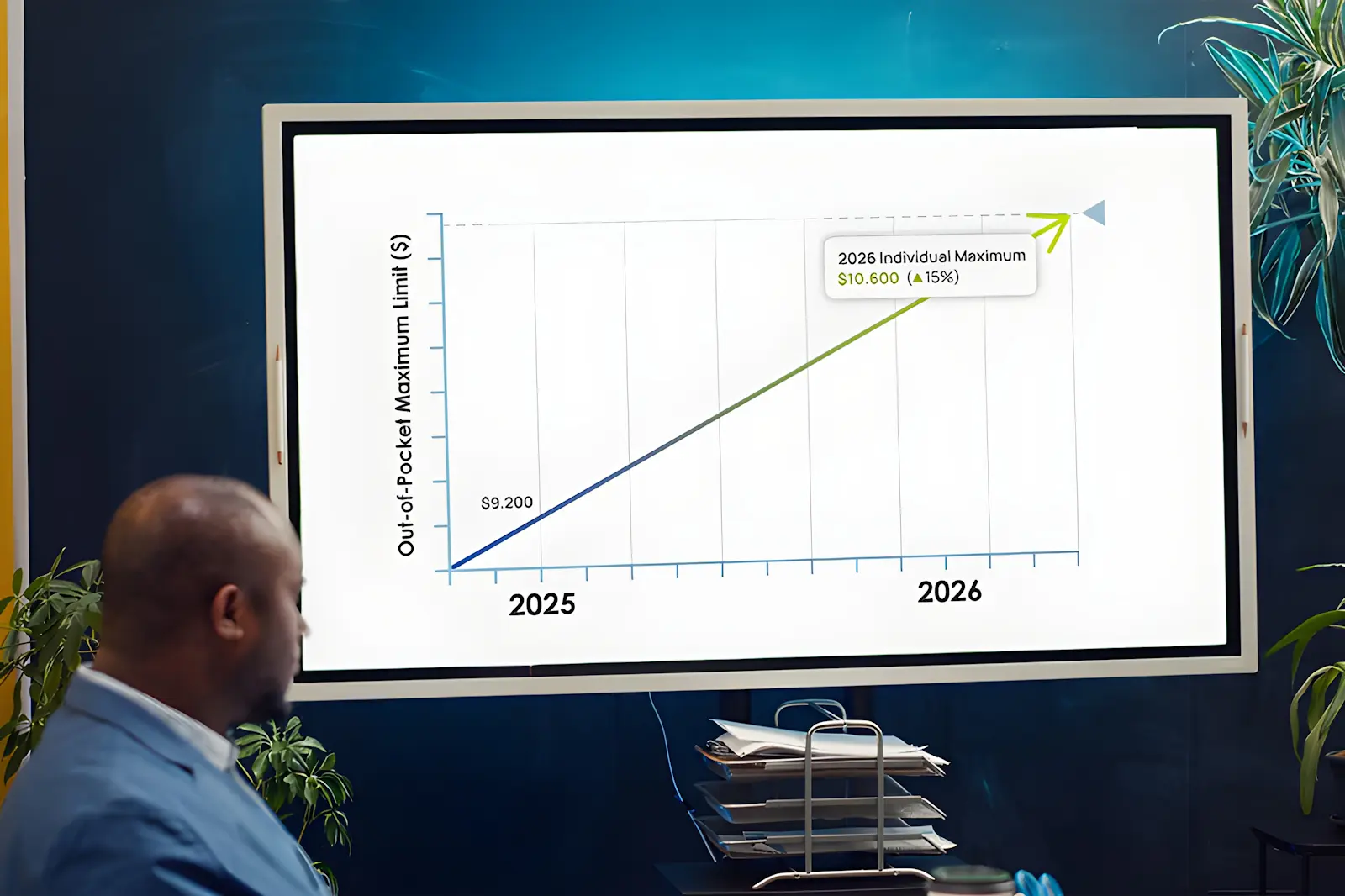
This hidden workflow represents a severe operational bottleneck. In 2026, healthcare organizations face an unprecedented convergence of cost pressures. Following the expiration of enhanced Affordable Care Act (ACA) premium tax credits, marketplace plan deductibles and out-of-pocket maximums have surged by approximately 15%—with individual limits rising to $10,600 and family limits reaching $21,200. Consequently, verifying plan active status, checking in-network alignment, and determining accurate patient cost-sharing variables have become exponentially more complex and time-consuming.
Quantifying the Operational and Financial Drain
When internal front-office staff are forced to absorb this escalating administrative burden, the financial toll accumulates across three primary areas:
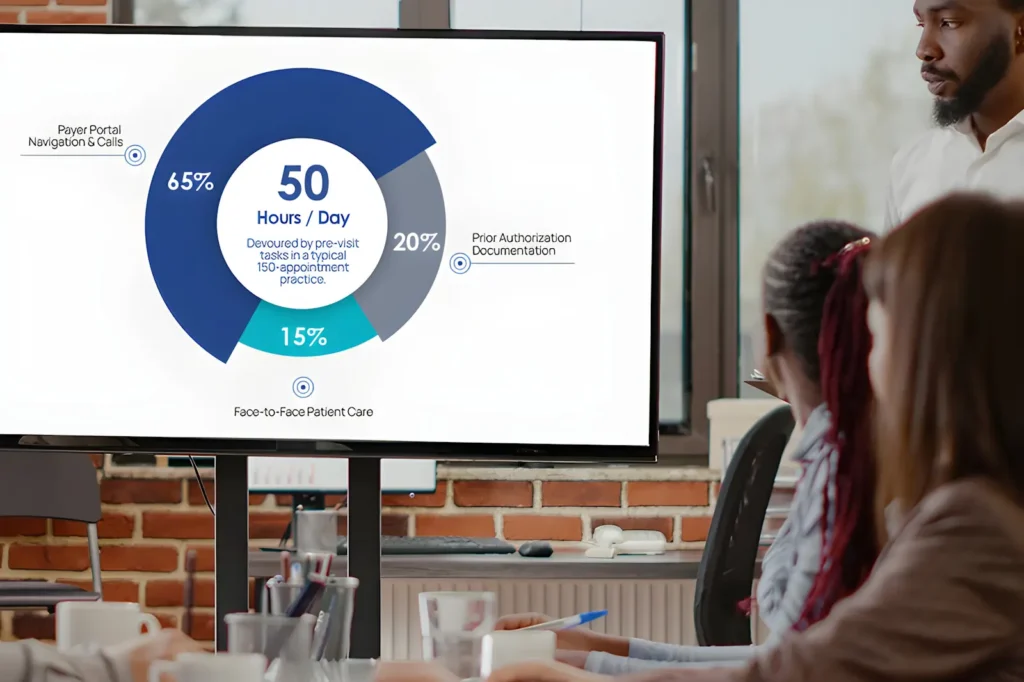
- Labor Misallocation: Medical receptionists and clinic coordinators spend an average of 15 to 20 minutes per patient manually verifying active insurance policies, digging for deductible progress, and calling payers. For a mid-sized practice managing 150 appointments daily, this devours up to 50 hours of human labor per day—pulling frontline staff completely away from face-to-face patient engagement and clinical support.
- The Prior Authorization Bottleneck: High-cost procedures, advanced imaging (such as MRIs or CT scans), and specialty care require intensive prior authorization workflows. Gathering clinical notes, submitting requests via disparate payer portals, and tracking exceptions can delay care by weeks.
- Downstream Revenue Leakage: Failing to perform a rigorous eligibility check on the exact day of service leads directly to technical claim denials, uncompensated care, and unexpected balance billing that permanently erodes patient trust.
[Legacy Internal Workflow]
Front-Office Staff ──> Manual Portal Logins ──> Phone Verification ──> High Intake Delays & Burnout
[Optimized BPO Workflow]
Access-Salud Engine ──> Real-time Verification ──> Digital Auth Tracking ──> Clean Clinic Hand-off
The Cascade of Financial Anxiety and Patient Dissatisfaction
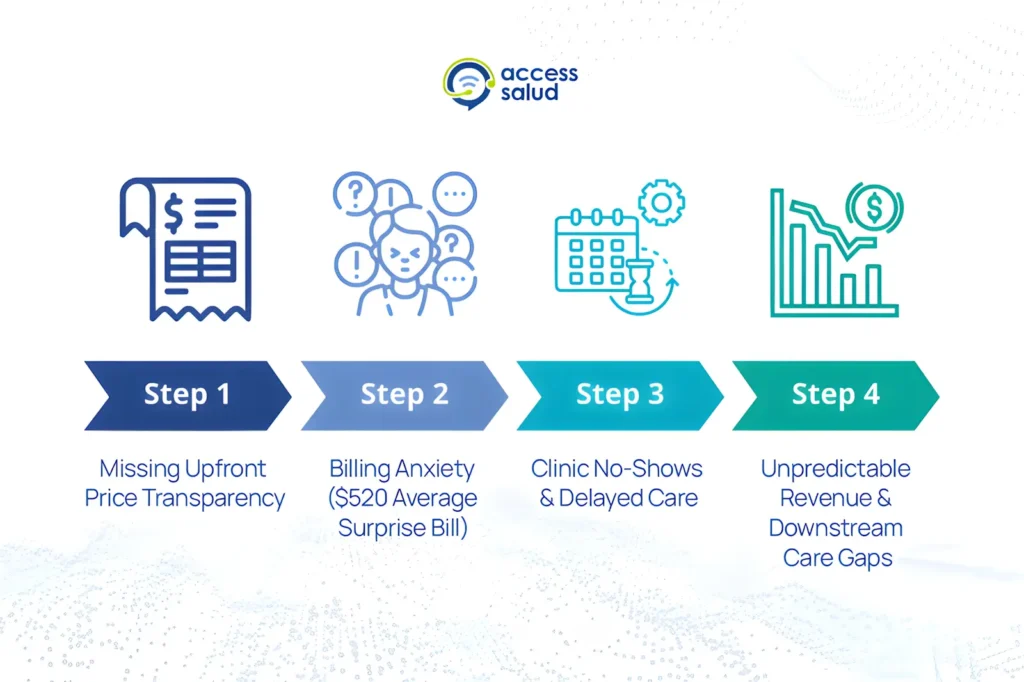
The consequences of inefficient pre-visit management extend far beyond the practice’s internal spreadsheet; they directly degrade the patient experience. Recent consumer data indicates that nearly two-thirds of patients experience intense financial anxiety regarding unexpected healthcare bills, with the average surprise bill totaling $520. Furthermore, because of opaque billing processes, many individuals remain completely unaware of their actual out-of-pocket liabilities until three to four months after receiving care.
When pre-visit administrative teams fail to establish price certainty before the appointment, a dangerous domino effect occurs. Driven by financial opacity, patients frequently skip critical screenings, delay essential follow-up care, or fail to show up for appointments entirely. These accumulated care gaps ultimately fuel higher clinical utilization downstream—often resulting in preventable emergency department visits—while choking the clinic’s predictable cash flow.
Operational Evolution: Shifting the Pre-Visit Burden Offshore
To survive the tightening margins of 2026, forward-thinking medical practices can no longer permit their domestic front-office teams to operate as manual verification hubs. The solution lies in isolating the pre-visit administrative workflow and shifting it to a specialized, synchronous healthcare Business Process Outsourcing (BPO) model.
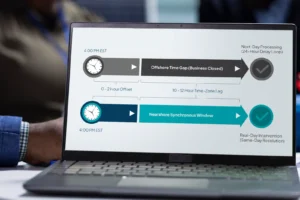
By utilizing dedicated offshore care coordination teams operating in parallel time zones, the entire intake loop is transformed. Patient data verification, benefits optimization (such as differentiating Medicare Part B vs. Part D coverages), and prior authorization packages are completely completed, audited, and logged directly into the Electronic Health Record (EHR) before the patient ever arrives. This operational shift ensures that your domestic clinical staff can focus exclusively on high-value, empathetic care, while your administrative overhead drops substantially.
Price Certainty as an Operational Standard
The invisible workload of pre-visit administration does not have to remain a drain on your practice’s energy and financial health. Transitioning these high-volume, repetitive tasks to an optimized, specialized partner provides immediate transparency, drives patient engagement, and eliminates the administrative friction that triggers professional burnout.
When you provide clear cost expectations upfront, you remove the anxiety of the unknown—protecting both your team’s operational capacity and your practice’s bottom-line integrity. Protect your front-office capacity and secure your intake pipeline by scheduling an appointment with our Management Team to conduct an operational assessment on a strategic partnership.