The Hidden Financial and Operational Leakage of Missed Appointments
For medical group practices, healthcare executives, and chief operating officers, patient no-shows represent far more than a minor administrative inconvenience. They are a systematic operational drain and a direct threat to business continuity. Across the United States healthcare sector, missed appointments drive an estimated $150 billion annual financial loss, with individual clinics losing an average of $200 for every skipped time slot.
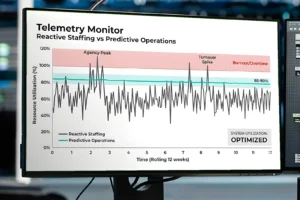
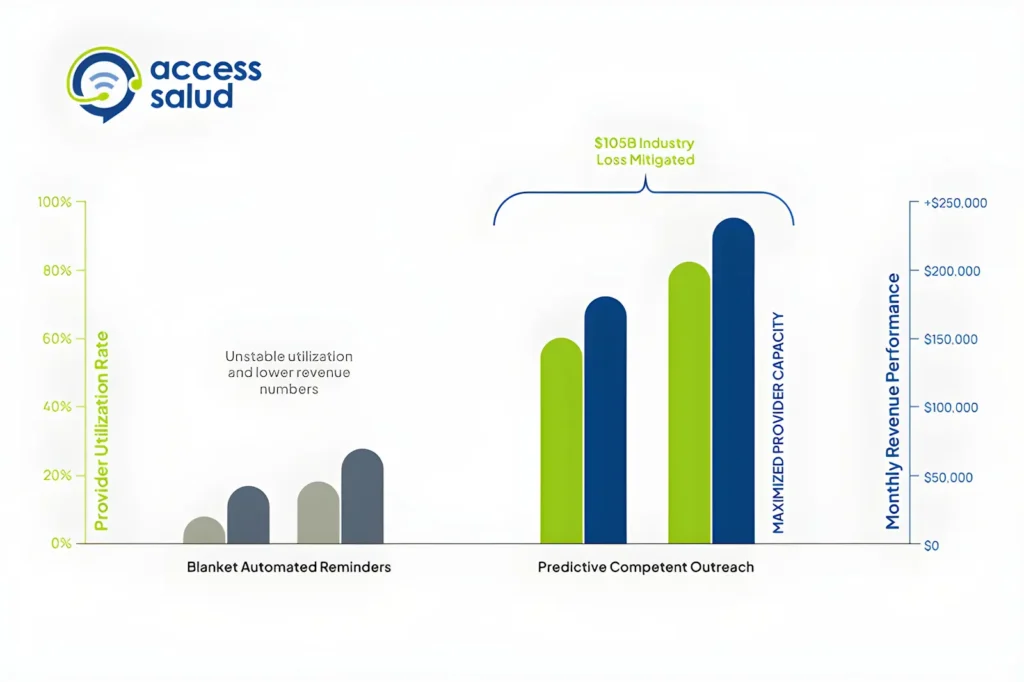
When a patient fails to arrive, the operational velocity of a clinic stumbles: highly compensated clinical staff sit idle, predictive scheduling models collapse, and fixed overhead costs remain completely unabsorbed. More critically, high no-show rates—which can range anywhere from 5.5% to 50% depending on the medical specialty—distort patient care continuities, escalating emergency department utilization and shifting manageable chronic conditions into acute medical crises. Historically, practices have treated no-shows reactively, relying on punitive fees or rigid, blanket automated robocalls that yield diminishing returns. To thrive in the current healthcare market, operations must shift toward a proactive, dual-engine strategy: marrying predictive algorithmic modeling with deeply personalized, culturally competent human outreach.
The Analytical Shift: Predicting Absenteeism Before It Occurs
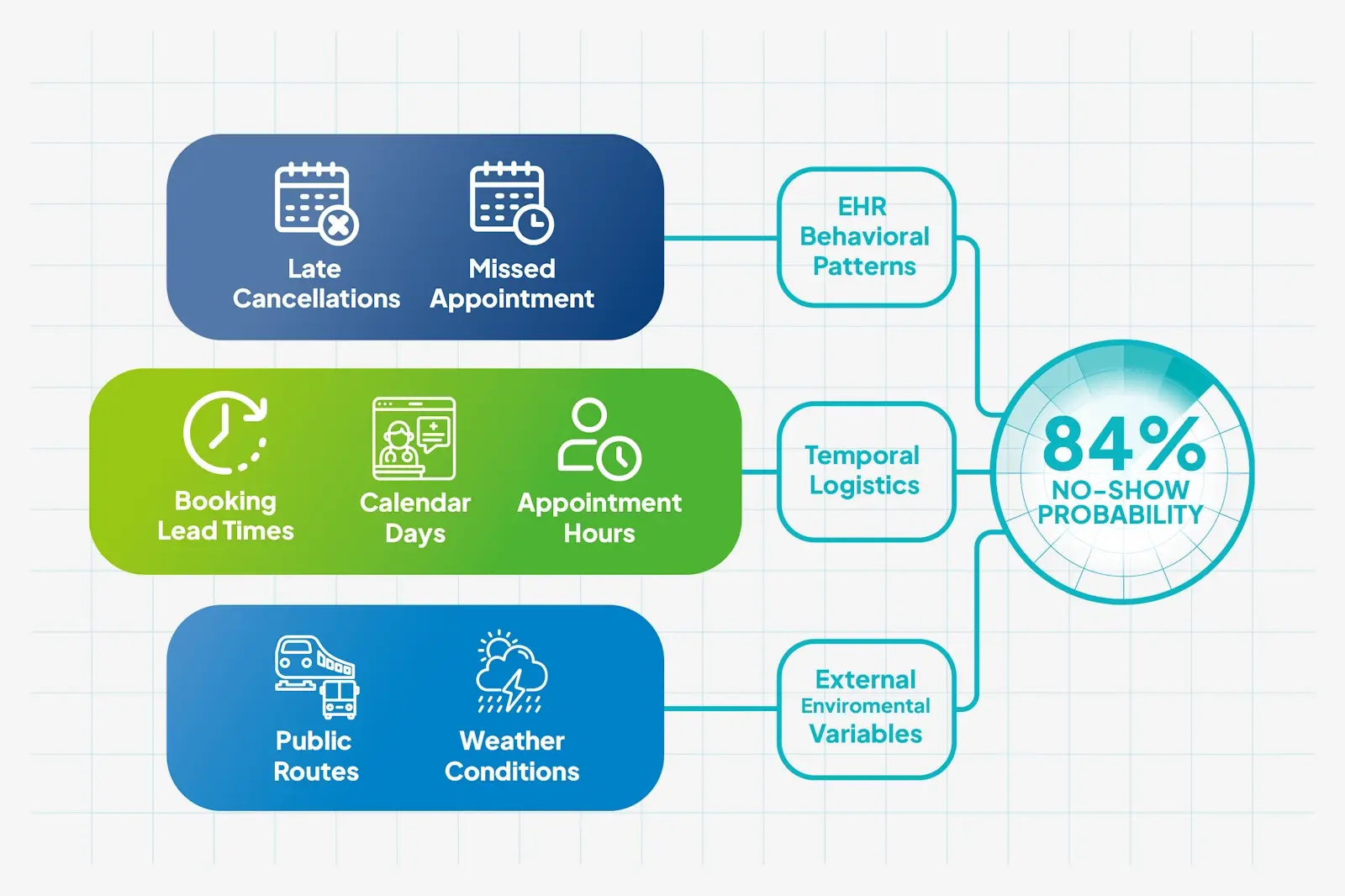
Mitigating no-shows requires moving away from uniform, 24-hour text blasts and moving toward data-driven stratification. Modern clinic operations utilize predictive analytics to assign a dynamic “no-show probability score” to every scheduled appointment at the moment of intake. Rather than relying on guesswork, these algorithms analyze multi-layered data points within the Electronic Health Record (EHR) to flag high-risk appointments weeks in advance.
Key data variables evaluated by predictive models include:
- Historical Behavioral Patterns: The patient’s individual frequency of late cancellations, past missed appointments, or historical attrition rates.
- Temporal Logistics: Lead time between the booking date and the actual appointment, alongside specific days of the week or hours of the day (e.g., early morning slots vs. mid-afternoon transitions).
- Environmental & External Variables: Regional weather forecasts, public transit disruptions, and localized geographic distance from the clinical facility.
By leveraging these insights, administrative and front-office teams can segment their schedules. Instead of expending precious human capital calling every single patient on the ledger, workflows are optimized to focus high-touch outreach exclusively on the top tier of patients flagged with a high probability of absenteeism.
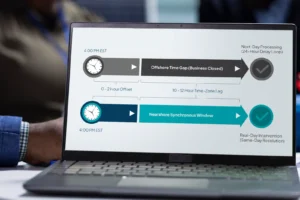
[The Reactive Workflow – Inefficient]
Uniform Text Blast ──> High Language Barriers ──> Structural No-Show ──> Idle Clinic Assets
[The Predictive & Competent Workflow – Optimized]
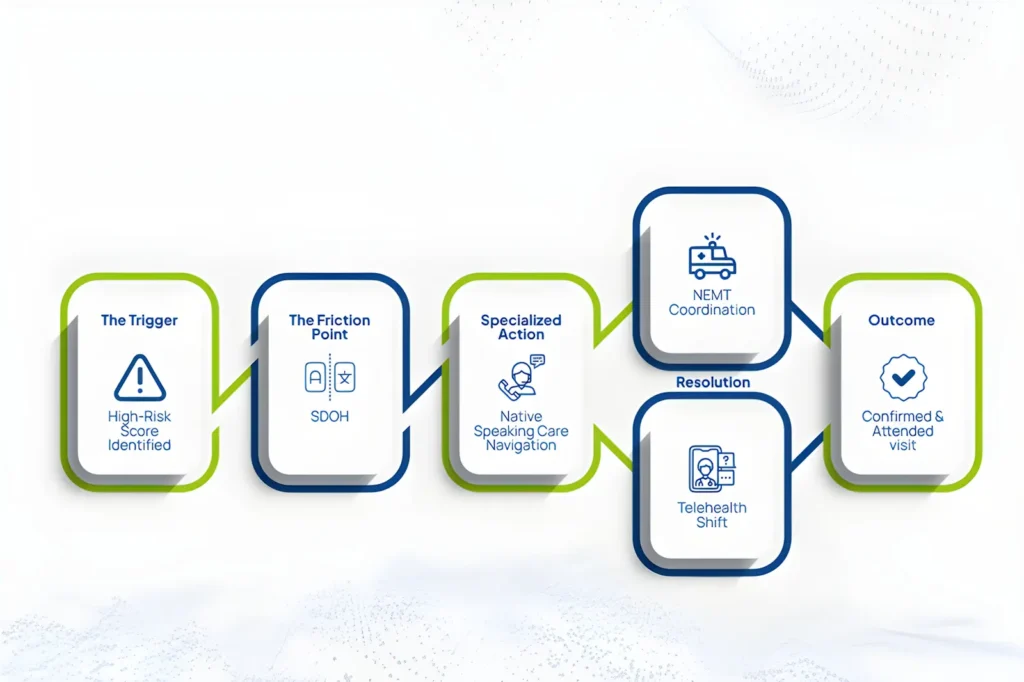
Electronic Health Record (EHR) Data ──> Algorithmic Risk Scoring ──> Culturally Competent Care Navigation ──> Reduced No-Shows
Culturally Competent Outreach: Solving the “Why” Behind the Empty Slot
While predictive analytics identifies who is likely to miss an appointment, it cannot solve why they miss it. To convert a high-risk score into a completed visit, the operational intervention must address the root causes of patient absenteeism—which are heavily rooted in the Social Determinants of Health (SDOH) and cultural fragmentation. In highly diverse patient populations, a standard, automated English text message often fails due to language barriers, low health literacy, or institutional distrust. Data shows that only 12 percent of US adults have proficient health literacy, making complex clinical schedules inherently intimidating.
Culturally competent outreach transforms administrative reminders into a specialized care coordination mechanism. When a predictive model flags a vulnerable patient, a trained, native-speaking care manager steps in to conduct strategic, empathetic outreach. This conversation goes beyond a simple confirmation request; it actively uncovers and addresses structural barriers:
- Language & Nuance: Communicating in the patient’s preferred language and adapting to cultural nuances establishes immediate trust, ensuring the medical necessity of the visit is thoroughly understood.
- Socioeconomic Problem-Solving: If a patient faces transportation instability, childcare gaps, or work-shift conflicts, the care manager coordinates practical solutions—such as organizing non-emergency medical transportation (NEMT) or restructuring the appointment into a telehealth framework.
- Deconstructing Medical Distrust: Addressing historical anxieties regarding clinical settings by explaining what to expect during the visit, effectively reducing pre-appointment anxiety.
Operationalizing the Synergy: Data-Driven, Human-Centered Growth
Maximizing clinic capacity requires a fluid integration where technical software feeds human execution. When an optimized growth framework or specialized clinical navigation team manages this pipeline, the front-office workload is dramatically relieved. Predictive dashboards automatically push high-risk targets to care navigators, allowing on-site clinical staff to focus completely on treating the patients currently in the waiting room.
Implementing this coordinated approach creates a powerful operational cycle: predictive analytics optimizes the allocation of staff time, while culturally competent outreach establishes the deep patient trust required to ensure high attendance rates. This dual framework stabilizes fee-for-service revenue streams, maximizes provider utilization rates, and positions healthcare organizations to excel under value-based care contracts by systematically improving overall population health outcomes.
Conclusion: Transforming Empty Time Slots Into Clinical Asset Velocity
In the modern corporate healthcare landscape, protecting your clinical schedule from the financial erosion of no-shows is a core requirement for growth. Eliminating this operational friction cannot be achieved with software alone, nor can it be resolved through untargeted manual workflows.
True resilience lies at the intersection of predictive data precision and empathetic, culturally aligned communication. By implementing structured, data-informed patient navigation, forward-thinking medical practices protect their bottom line, insulate their medical staff from administrative fatigue, and ensure that high-quality care reaches the populations that need it most.
To evaluate how your healthcare organization can implement advanced predictive outreach workflows that optimize clinic utilization and reduce no-show rates, contact us today to schedule an operational assessment with our Management Team.