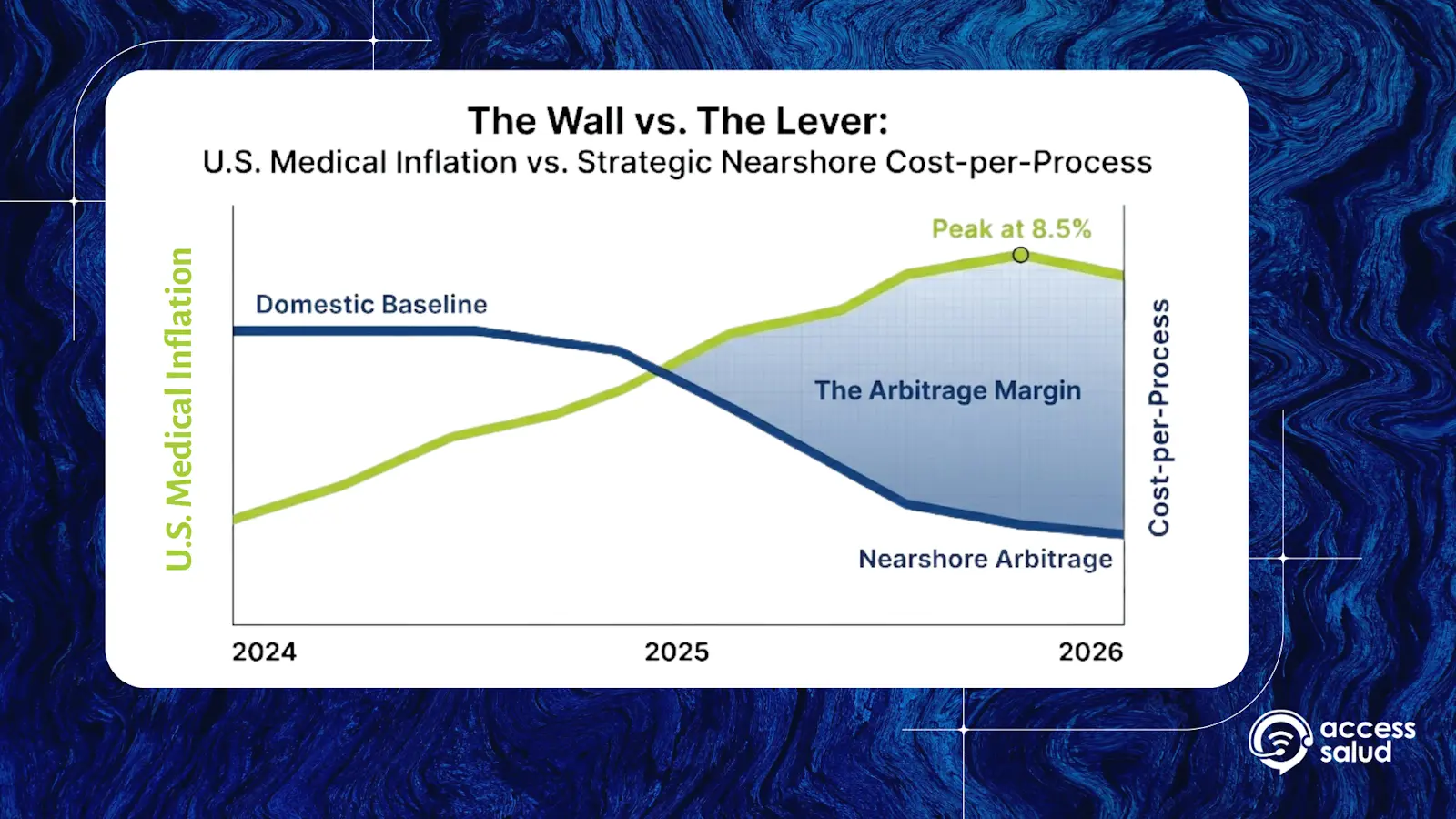
As we cross the first quarter of 2026, the data from PwC and WTW is clear: U.S. medical inflation has hit its highest point in 15 years. Driven by a surge in GLP-1 utilization, behavioral health demand, and rising labor costs, health systems are watching their operating margins thin to a dangerous 1.3%. At Access-Salud, we view this not as a crisis, but as a catalyst for Operational Arbitrage.
What is Operational Arbitrage?
Traditional outsourcing was centered around finding the lowest hourly rate regardless of quality. Operational Arbitrage is the strategic relocation of high-value clinical and administrative processes to nearshore hubs (like Caracas or SDQ) that offer perfect time-zone synchronization and cultural synthesis.
By shifting the “back-office” of patient navigation to these hubs, organizations can achieve a 30% to 50% reduction in operational spend without sacrificing the “Human Engine” that drives patient satisfaction.

Neutralizing the Inflationary Spike
To stay ahead of the 2026 cost curve, we focus on three pillars of arbitrage:
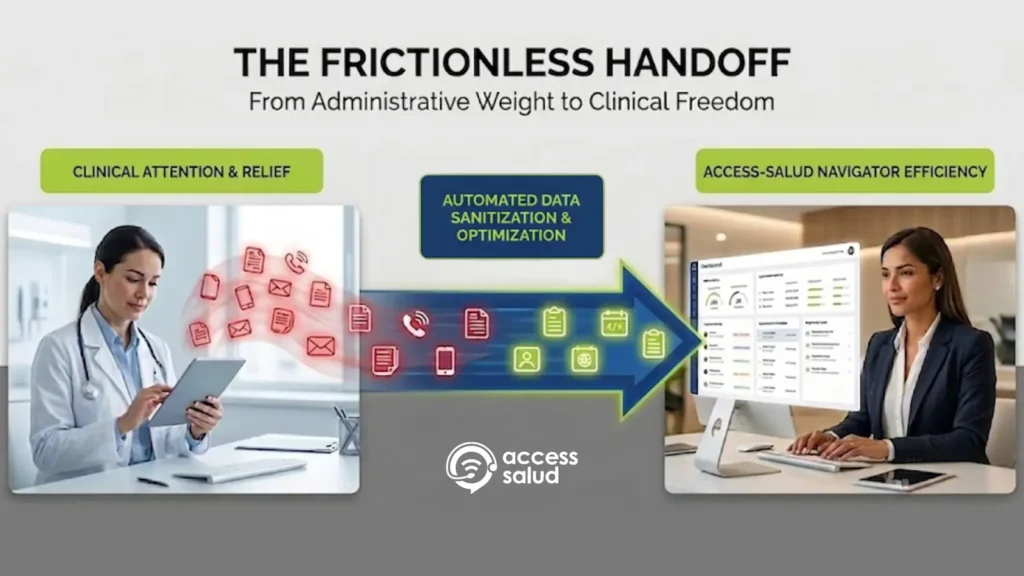
- Clinical Process Outsourcing (CPO): Moving administrative back-office processes like insurance verification and prior authorizations to specialized nearshore teams reduces “administrative friction” and speeds up the revenue cycle.
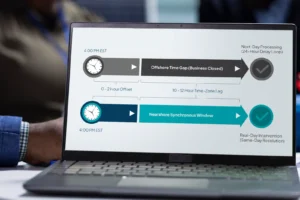
- Synchronous Collaboration: Unlike offshore models with 12-hour delays, our near-shore teams operate in real-time. This ensures that a patient’s discharge plan in NYC is processed by a navigator in Caracas before the patient even leaves the building.
- Revenue Retention: It is more expensive to acquire a new patient than to retain one. Arbitrage allows you to fund high-touch engagement programs that would be cost-prohibitive with domestic-only staffing.
The Formula for 2026 Resilience
The goal is simple: Offset the 8.5% inflationary rise with a 25% gain in operational efficiency.
ROI = {(Total Savings + Revenue Retention – Implementation Cost)/Implementation Cost}x100
By reallocating capital from “infrastructure-heavy” models to “nearshore-lean” engines, healthcare leaders can stop reacting to inflation and start outperforming it.
By reallocating capital from “infrastructure-heavy” models to “nearshore-lean” engines, healthcare leaders can stop reacting to inflation and start outperforming it. Our team is ready to help you audit your current operational spend and identify the friction points where arbitrage can stabilize your margins. Schedule a consultation with our Management Team today to begin re-engineering your operational engine for 2026 and beyond.