The Invisible Cost of Constant Mental Gear-Shifting
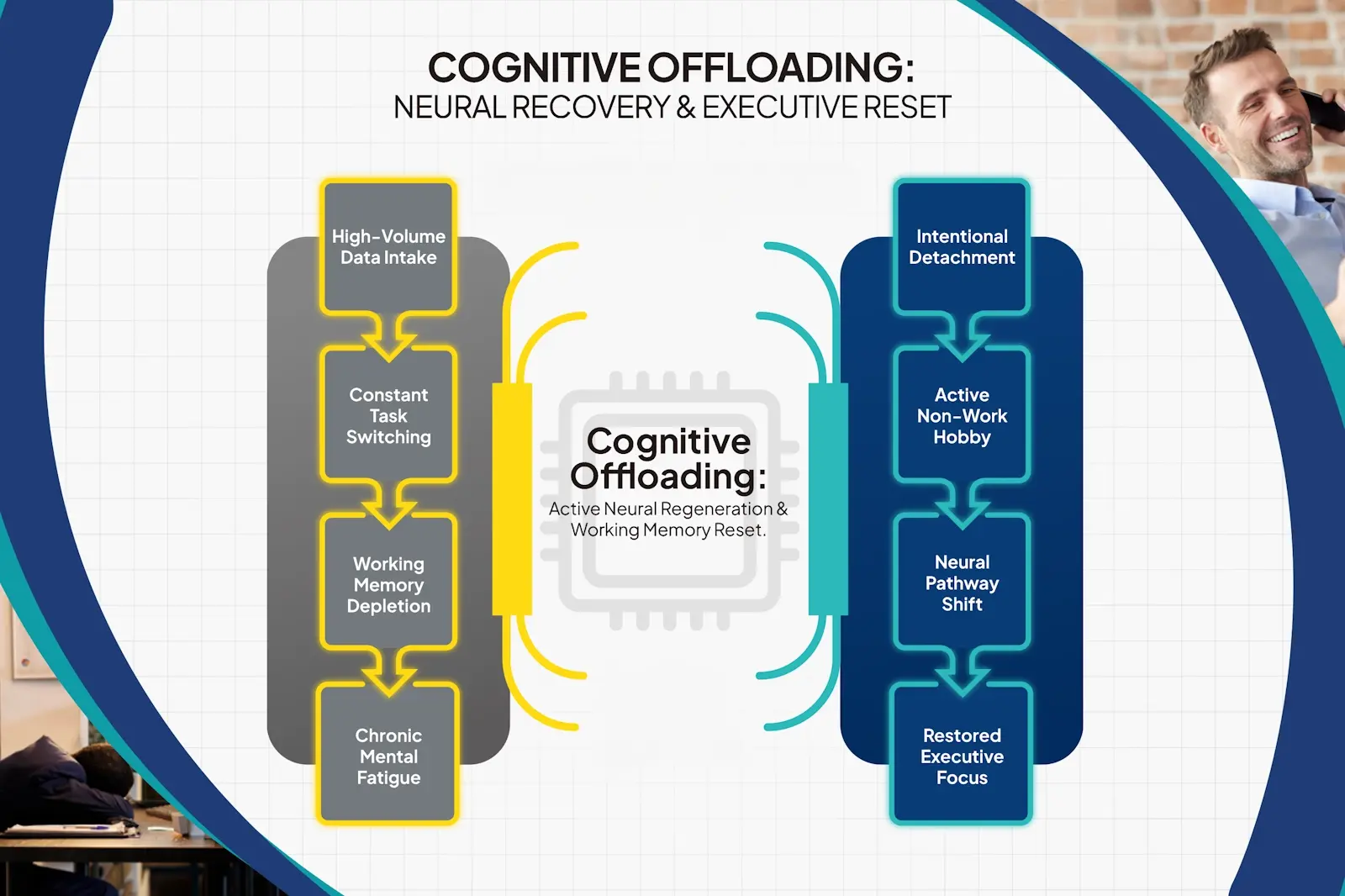
In high-volume healthcare operations, medical processing centers, and administrative support hubs, the workday is characterized by relentless cognitive demand. Professionals managing patient intakes, complex billing verifications, and multi-channel scheduling are constantly required to switch mental gears. This high-frequency task switching depletes working memory, dulls executive functioning, and leaves teams vulnerable to mental fatigue long before their shift ends.
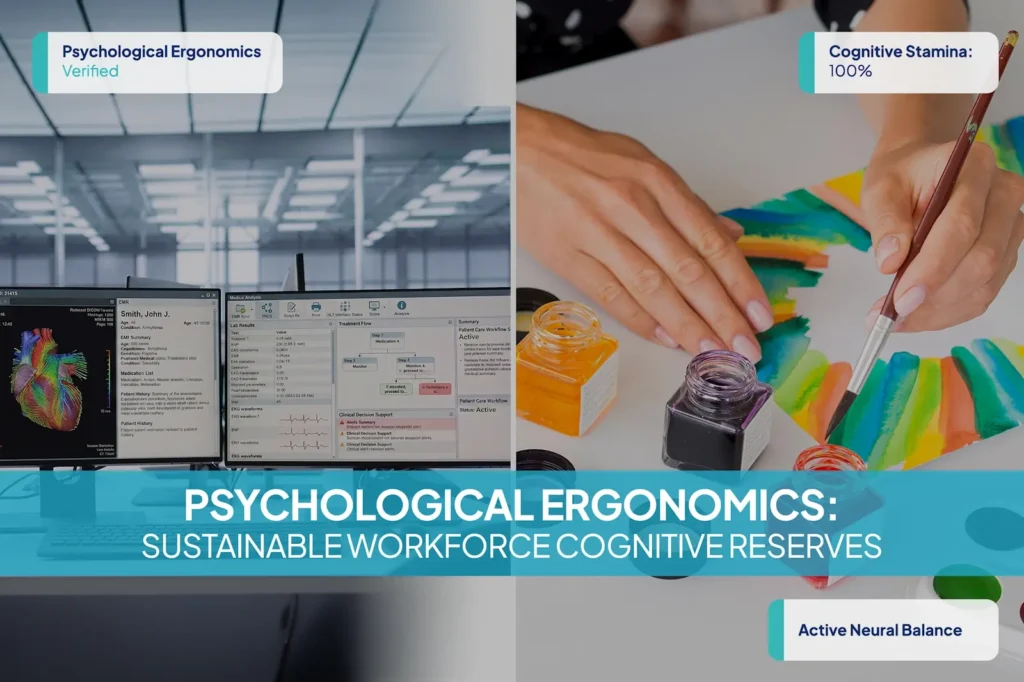
While organizations often invest heavily in physical ergonomics the psychological ergonomics of modern knowledge work are frequently neglected. When administrative personnel spend eight hours parsing unstructured data, reconciling patient records, and resolving escalations, their brains remain locked in high-alert processing mode. Without a purposeful mechanism to reset working memory, this continuous mental load accumulates into chronic exhaustion, leading directly to reduced focus, elevated stress, and professional burnout.
Understanding Cognitive Offloading: Resetting Working Memory
In cognitive psychology, cognitive offloading refers to the use of physical action or external structures to alter the information processing requirements of a task, reducing the heavy load on internal working memory. However, in a broader workplace context, cognitive offloading also describes the brain’s need to completely detach from analytical problem-solving to allow neural networks to recover.
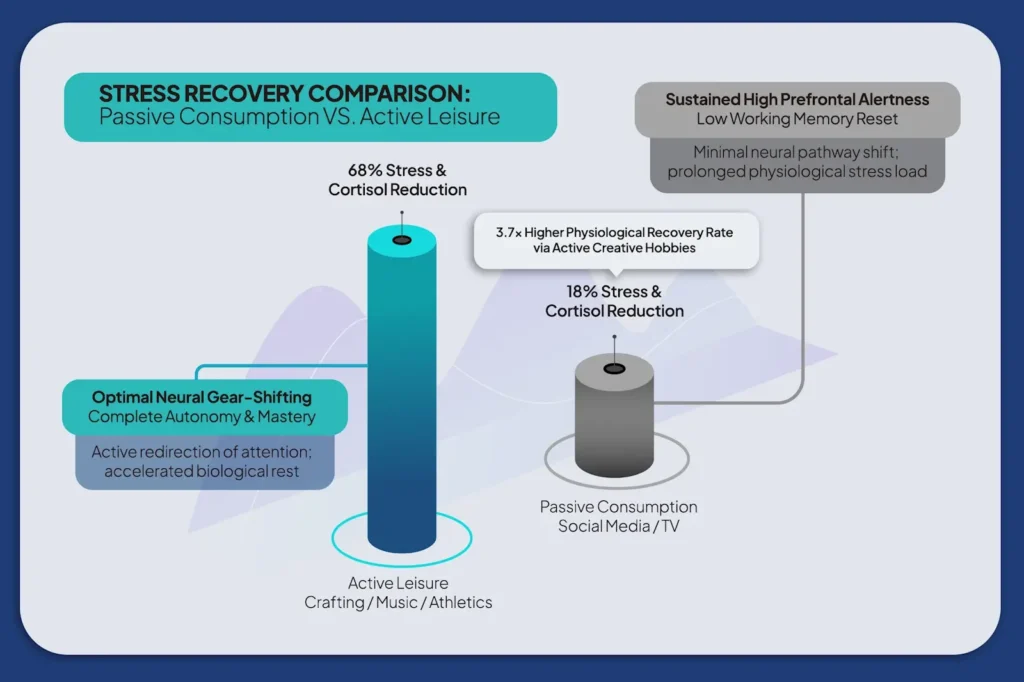
When employees finish a demanding workday, the temptation is often to engage in passive consumption (like scrolling through social media or watching television on autopilot). Research indicates that while passive relaxation feels restful, it rarely repairs depleted executive functions. True cognitive recovery requires active engagement in non-work interests that demand different neural pathways. Whether through crafting, cooking, playing a musical instrument, gardening, or physical athletics, purposeful hobbies force the brain to redirect attention away from professional stressors, lowering physiological stress markers like cortisol and heart rate.
The Direct Link Between Leisure and Professional Performance
A common misconception in fast-paced corporate environments is that leisure time outside of work detracts from professional dedication. In reality, empirical studies in organizational psychology demonstrate the exact opposite. Research published in the Journal of Occupational and Organizational Psychology reveals that employees who regularly pursue creative and active hobbies exhibit superior problem-solving skills, greater job satisfaction, and a significantly lower risk of burnout.
When individuals engage in a hobby, they experience a psychological state of autonomy and mastery. Because a hobby carries zero professional consequences, it provides a safe space for experimentation and play. This freedom lowers psychological pressure, stimulates creative thinking, and equips workers with renewed cognitive stamina when they return to their operational duties the next morning.
Fostering a Culture of Mental Recovery
Preventing burnout in high-volume operations requires a cultural shift that values recovery just as much as productivity. Progressive employers recognize that sustainable performance is built on clear operational boundaries and psychological safety. Encouraging teams to fully disconnect after hours, respecting personal time off, and cultivating an environment that celebrates individual growth outside the office helps normalize mental recovery.
When companies support holistic well-being by encouraging active leisure, they protect their most valuable asset: the cognitive health of their people.
Conclusion: Protecting the Human Mind for Long-Term Success
Thriving in high-volume environments requires more than just efficient software and streamlined workflows. By understanding the science of cognitive offloading and making space for meaningful pursuits outside the office, professionals can build resilient mental reserves, protecting the minds that drive their success. Explore more of our workplace insights on the Access-Salud Blog.