
At Access-Salud, our work is defined by precision. Whether we are managing a complex billing cycle or navigating a patient through a telehealth portal, our accuracy depends on our mental clarity. But did you know that how you manage your clock actually changes your biology?
True balance isn’t about working more; it’s about working in harmony with your brain. This March, we are diving into the science of time management to help you stay sharp, stay healthy, and stay present—both at work and at home.
1. The Biology of Time: Why “Chronodisruption” Causes Stress
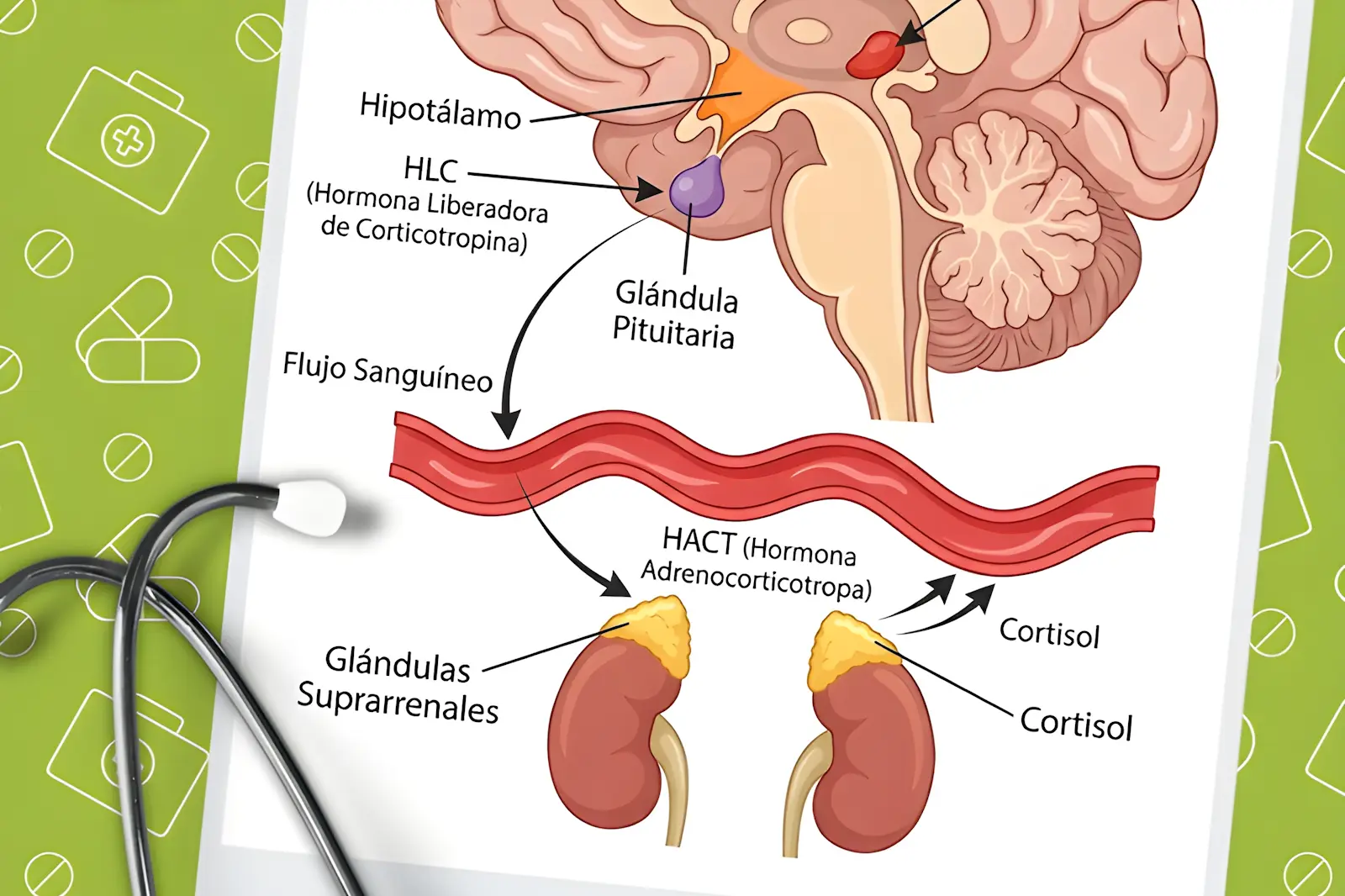
Your brain loves a rhythm. Our bodies operate on internal biological clocks (circadian rhythms) that regulate everything from cortisol levels to focus. When our schedules become disorganized—a phenomenon known as chronodisruption—the brain perceives it as a threat.
This “chronological chaos” triggers the amygdala, the brain’s alarm system, releasing a steady stream of cortisol. This leads to that “always-on” feeling of anxiety and fatigue. By imposing a clear structure on your day, you aren’t just being “organized”; you are literally signaling to your brain that it is safe to downshift from a high-stress state.
2. The Pomodoro Technique: The 25-Minute Power Move
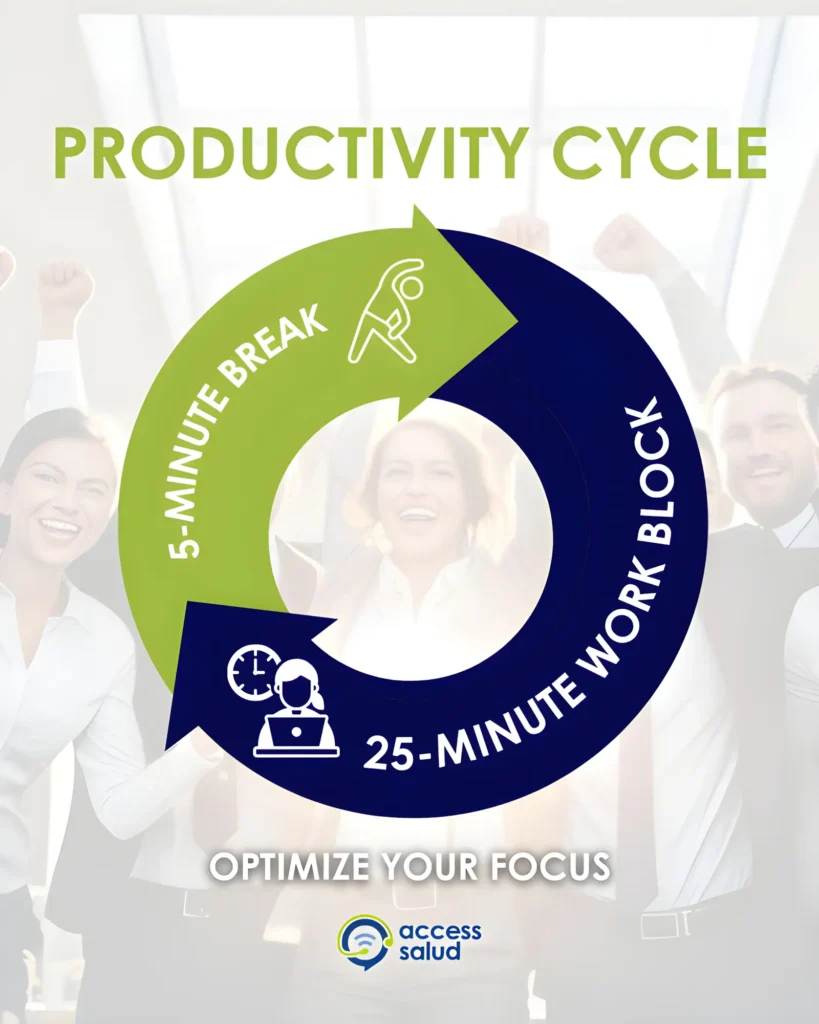
One of the most effective ways to sync with your brain’s natural attention span is the Pomodoro Technique. The method is simple:
- Work for 25 minutes (one “Pomodoro”) with total focus.
- Rest for 5 minutes. Step away from the screen.
- Repeat. After four sessions, take a longer 20-minute break.
Why it works: Short, predetermined breaks are the antidote to visual and mental fatigue. Working for hours without stopping causes “attention blink,” where the brain begins to miss details because it’s exhausted. A 5-minute break allows your prefrontal cortex to “recharge,” ensuring that your next 25 minutes are as accurate as your first.
3. Tactical Tools: Digital vs. Analog
To master your time, you need a system that works for you, not against you.
- Digital Tools: Apps like Focus-To-Do integrate the Pomodoro timer with task lists. For those managing multiple client projects, tools like Trello help visualize your “time blocks” so you aren’t constantly switching gears.
- Analog Methods: Never underestimate the power of a paper agenda. Writing your “Top 3 Tasks” for the day by hand engages the brain’s reticular activating system, helping you stay focused on what truly matters.
4. The Ripple Effect: Better Time, Better Care
At Access-Salud, our time management has a direct impact on our clients and patients. When a team member is organized and calm, their communication is more precise, their empathy is higher, and their error rate is lower.
By reclaiming your time, you are ensuring that when a patient or healthcare leader interacts with Access-Salud, they receive the highest level of serene, professional care. Your balance is our excellence.
Make sure to implement these small changes today to protect your well-being and enhance our collective mission! For more actionable wellness advice and updates on our team culture, follow us on our social media channels.
Scientific Sources & References
- On Chronodisruption & Biology:The Lancet and Nature Reviews Neuroscience have extensively documented that circadian disruption (chronodisruption) acts as a systemic stressor.
- On Amygdala & Cortisol Response: Research from the National Institutes of Health (NIH) confirms that irregular schedules increase hypothalamic-pituitary-adrenal (HPA) axis activity, triggering the amygdala to signal for cortisol release.
- On Attention Span & Breaks:The University of Illinois research found that “deactivating” and “reactivating” your goals (taking short breaks) allows you to stay focused for much longer periods.