

In today’s competitive healthcare landscape, providing exceptional clinical care is no longer enough. Patient experience has emerged as a critical differentiator, directly impacting patient loyalty, health outcomes, and your organization’s reputation. But what truly shapes this experience?
As healthcare administrators and providers, understanding the core patient experience determinants is paramount to thriving. This post delves into the top five most vital factors influencing patient satisfaction and offers practical strategies to optimize them within your practice.
What are Patient Experience Determiners?
As healthcare providers and administrators, understanding the key factors that influence patient satisfaction can significantly enhance the quality of care and patient outcomes. These patient experience determinants are the foundational elements that shape how individuals perceive and interact with your healthcare services.
Let’s explore the top five most important determinants of patient experience in healthcare, offering insights and strategies to optimize them.
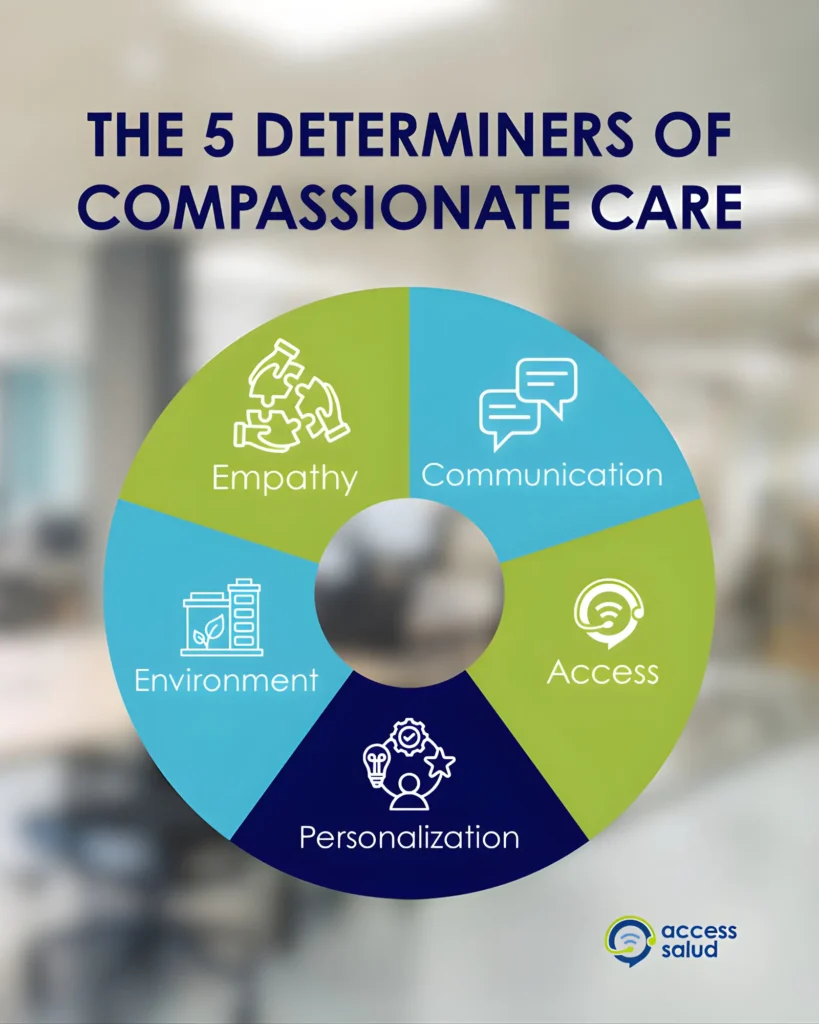
1. Effective Communication
Compassionate and transparent communication between healthcare providers and patients ensures that patients feel heard, understood, and helps build trust. Effective communication is a cornerstone of patient satisfaction.
- Active Listening: Ensure your healthcare professionals actively listen to patient concerns and questions, providing a space where patients feel genuinely heard.
- Simple Language: Use clear, simple language to explain complex medical terms, diagnoses, and procedures, avoiding jargon that can confuse or alienate patients.
- Regular Updates: Maintain regular and proactive updates about treatment plans, progress, and any potential changes, keeping patients informed every step of the way.
2. Timely Access to Care
Long waiting times and delays can significantly lead to frustration and anxiety, negatively impacting the overall patient experience. Improving access to care is a critical patient experience determiner.
- Efficient Scheduling: Reduce waiting times in clinics and for appointments through efficient scheduling systems and patient flow optimization.
- Telehealth Options: Offer telehealth consultations for more convenient access to medical advice and follow-up care, reducing the need for in-person visits when appropriate.
- Simplified Referral Processes: Streamline the referral process to ensure patients receive necessary specialist care without unnecessary administrative hurdles. Solutions provided by healthcare BPO partners, such as advanced scheduling systems and referral coordination services, can significantly improve this determinant.
3. Personalized Care
Personalized care recognizes the unique needs, preferences, and cultural background of each patient, fostering a more meaningful and satisfying healthcare experience. This tailored approach is a powerful patient experience determiner.
- Tailored Treatment Plans: Develop treatment plans that consider each patient’s medical history, lifestyle, personal preferences, and social determinants of health.
- Patient Involvement: Actively involve patients in decision-making processes regarding their care and treatment options, empowering them to take ownership of their health.
- Personalized Follow-Up & Support: Provide individualized follow-up care and support to address ongoing health concerns and ensure continuity of care.
4. Comfortable and Safe Environment
A well-designed, clean, and secure facility can alleviate anxiety and enhance the overall patient experience. The physical environment plays a vital role as a patient experience determiner.
- High Standards of Cleanliness: Maintain impeccable standards of cleanliness and infection control throughout all facilities, ensuring patient safety and comfort.
- Comfortable & Equipped Spaces: Ensure that waiting areas, examination rooms, and patient rooms are comfortable, well-lit, and equipped with necessary amenities.
- Robust Safety Protocols: Implement and strictly adhere to robust safety protocols to minimize the risk of medical errors, falls, and other adverse events.
5. Empathetic and Compassionate Care
Patients deeply value providers who show genuine concern, understanding, and kindness for their well-being. Fostering empathetic care is a crucial patient experience determiner.
- Empathy Training: Provide ongoing training for healthcare professionals to develop and consistently demonstrate empathy, active listening, and strong interpersonal skills.
- Patient Feedback Integration: Actively seek, record, and respond to patient feedback to truly understand their experiences and continuously improve care delivery.
- Supportive Environment: Cultivate a supportive and respectful organizational culture that promotes compassionate care among all staff members. This includes ensuring administrative and front-office staff are trained to offer compassionate interactions, a service often enhanced by specialized medical call center solutions.
By focusing on these top five most important patient experience determinants—effective communication, timely access to care, personalized care, a comfortable and safe environment, and compassionate care—healthcare providers and administrators can significantly improve the patient experience, leading to better health outcomes and building a stronger reputation for your healthcare organization.
Remember, the patient experience is at the heart of quality healthcare. Implementing these strategies will ensure that your patients receive the care and attention they truly deserve.
And if you’re looking for solutions to help your healthcare organization implement these strategies and elevate your patients’ experience, Access-Salud is here to help!
Email us today or visit our services page to discover all the optimizing services we have for you!